
About the Course
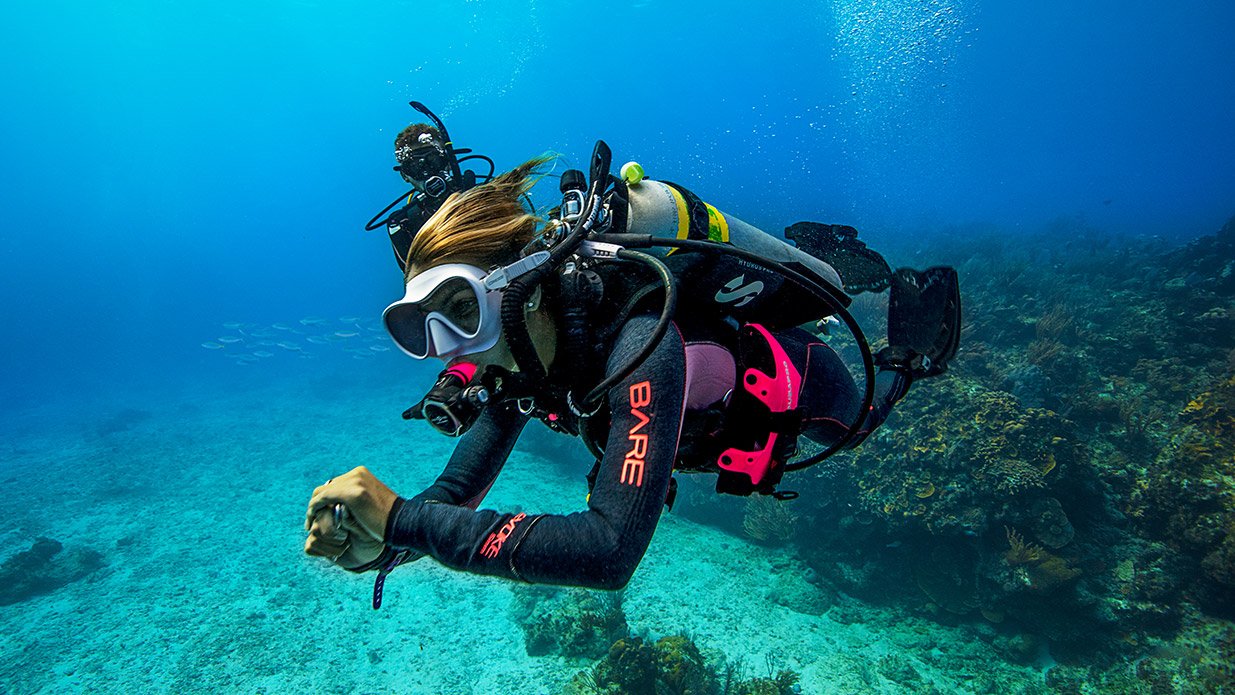
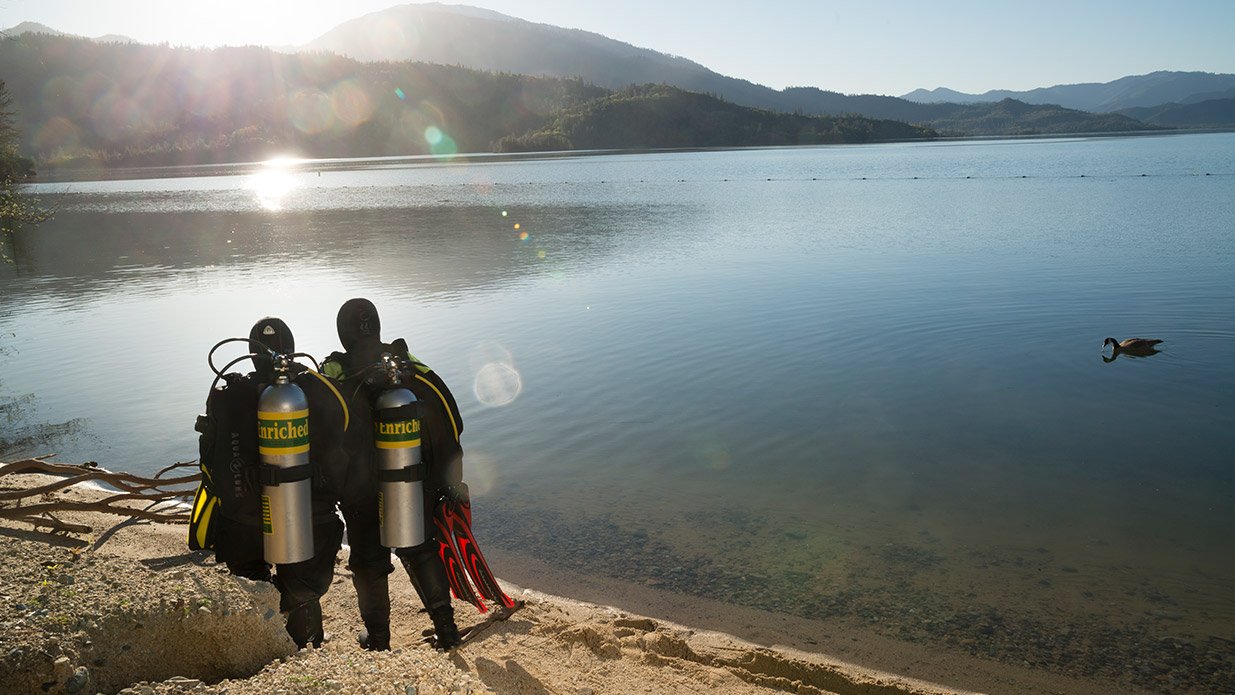
Enriched air, also known as nitrox or EANx, contains less nitrogen than regular air. Breathing less nitrogen means you can enjoy longer dives and shorter surface intervals. No wonder Enriched Air Diver is the most popular PADI® specialty.
Take This Course If You Want to
-
Get nitrox air fills
-
Stay at depth longer
Learn How to
- Dive with nitrox
- Use an oxygen air analyzer
- Set your dive computer
How to Earn an Enriched Air Nitrox Certification
Learn why nitrox allows you to make longer dives and how to dive nitrox safely through online independent study. Meet with your PADI Instructor for hands-on practical exercises, then make two (optional) dives.
Pre-requisites & Minimum Age
Minimum age: 12
Course prerequisite: enrollment in Open Water Diver
Divers 12 or older can earn a PADI Enriched Air Diver certification as part of their PADI Open Water Diver course. Ask your instructor for more information.
Time Commitment
PADI eLearning: 2-4 hours
Entire course: 1-2 days
It's possible to earn your nitrox certification in just one day. Complete the online course and schedule a short practical session with your instructor. The two dives are optional. You can also earn a nitrox certification simultaneously with another course. After completing Enriched Air eLearning and the practical session with your instructor, you can use nitrox while completing dives for your Advanced Open Water Diver certification, Peak Performance Buoyancy certification, etc.
Medical Requirements
Scuba diving requires a minimum level of health and fitness. Chronic health conditions, certain medications and/or recent surgery may require you to get written approval from a physician before diving.
Avoid disappointment, download and review the Diver Medical form to ensure you won’t need a physician’s approval to dive before enrolling in a scuba course. Instructors, divemasters and dive shop staff are not physicians and should not be asked for medical advice; only medical professionals can give medical clearance to dive.
If you (or your physician) have questions about medical fitness to dive, contact the experts at Divers Alert Network (DAN).
Frequently Asked Questions
- Looking for a detailed explanation of what's involved with learning to scuba dive? This comprehensive article covers everything you need to know about scuba certification.
Other Costs & Equipment
The first dive of the Search and Recovery Specialty course may count toward your Advanced Open Water Diver certification – ask your instructor about earning credit.
Every specialty certification you complete brings you one step closer to becoming a PADI Master Scuba Diver™. Fewer than two percent of divers ever achieve this elite rating.
After this course
If you're interested in staying underwater for an extended period, experiencing close-up animal encounters, or exploring places few divers ever see, ask your instructor about technical or rebreather diving.
- Technical diving allows you to dive beyond recreational "no stop" limits. Stay at a shallow depth for hours, or plan dives beyond recreational dive limits.
- Rebreathers, simply put, save and recycle your breathing gas. This allows you to stay much longer underwater. Rebreathers emit little to no bubbles, so you can get closer to wildlife that might run away from the noisy bubbles of an open circuit system.


Be the first to review “PADI Enriched Air (Nitrox) Diver”